
Key Highlights
- Frayed webbing and damaged stitching significantly compromise the structural integrity of your fall arrest system.
- Any hardware distortion or corrosion on D-rings and buckles necessitates an immediate removal from service.
- Exposure to harsh chemicals or extreme UV rays in the tropical climate can lead to invisible material degradation.
- A mandatory safety harness inspection must be conducted after any fall event, regardless of how minor it seems.
Introduction
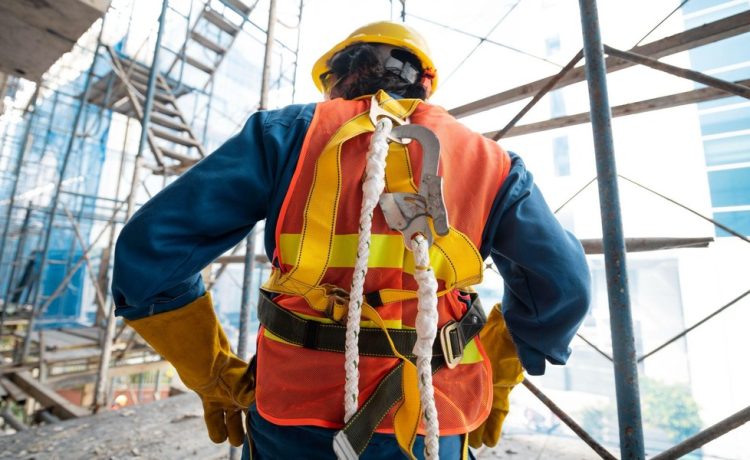
Working at height is inherently risky, but the gear you trust to catch you should never be a gamble. In the world of construction and maintenance sectors, a safety harness in Singapore is your most critical piece of personal protective equipment. While these life-saving tools are engineered for durability, they are not immortal and eventually succumb to the rigours of daily site work. Many workers overlook the subtle indicators of wear that suggest a harness is nearing the end of its functional life.
Recognising these red flags before a critical failure occurs is the difference between a controlled arrest and a tragic accident. A rigorous safety harness inspection is not just a regulatory box to tick but a fundamental habit that keeps you alive in a high-stakes environment.
1. Webbing Degradation and Structural Fraying
The synthetic fibres that make up your harness straps are designed to absorb immense energy during a fall, yet they are vulnerable to abrasion and sharp edges. If you notice “fuzziness” on the surface of the straps or visible cuts in the weave, the load-bearing capacity of the material has already been diminished. You might also find that the webbing has become stiff or brittle due to prolonged exposure to the intense Singaporean sun.
UV degradation is a silent killer of polyester and nylon, often manifesting as a faded colour or a “crunchy” texture when the strap is flexed. During every safety harness inspection, you should check for chemical burns or paint saturation, which can weaken the fibres on a molecular level without showing obvious tears.
2. Distorted or Corroded Hardware Components
Your D-rings, buckles, and adjusters are the skeletal framework of your fall protection, and any compromise here is non-negotiable. Look closely for any signs of rust or pitting on the metal surfaces, as even superficial corrosion can create friction that saws through the webbing. It is equally important to check for physical deformation, such as bending or cracking in the metal loops, which often occurs if the equipment has been crushed in storage.
Buckles should engage smoothly and stay locked without any slippage when tension is applied during a pre-use safety harness inspection. If a D-ring is pulled out of shape or shows deep gouges from repeated contact with carabiners, it is time to source a new safety harness in Singapore immediately.
3. Compromised Stitching and Load Indicators
The integrity of a harness is only as strong as the thread holding its patterns together. Look for pulled, broken, or skipped stitches at every junction, particularly where the D-rings are anchored to the main body. Most modern equipment includes “load indicators,” which are small sections of folded webbing designed to pop open during a fall. If you can see the warning thread or if the indicator has deployed even slightly, the harness has been subjected to forces it was never meant to survive twice.
Every safety harness in Singapore that has been involved in a fall arrest event must be destroyed and replaced immediately. Even if the straps look pristine to the naked eye, the internal elasticity of the fibres has likely been exhausted during the impact.
4. Missing or Illegible Identification Labels
A common mistake is continuing to use equipment where the manufacturer’s labels have been worn away or lost. These labels contain vital information, including the date of manufacture, serial number, and standards compliance, which are essential for tracking the service life of the gear.
Without a legible label, it is impossible to perform a legal and documented safety harness inspection as required by workplace safety regulations. If you cannot prove how old the harness is or who made it, you are effectively flying blind on a site. Ensuring your safety harness in Singapore remains fully identifiable is a key part of maintaining a compliant and professional safety culture.
Conclusion
Your fall protection equipment is a sophisticated system that requires constant vigilance and a zero-tolerance policy for defects. Whether it is a bit of frayed webbing or a rusty buckle, ignoring the signs of wear invites unnecessary danger into your workday. Committing to a thorough and frequent safety harness inspection ensures that your gear is always ready to perform its most important job. Staying safe at height starts with the equipment you choose to wear every single morning.
Reach out to SafetySam today for a premium range of fall protection gear from the most trusted PPE supplier in Singapore!