
The system stops at 3 PM on the hottest day. You’re not thinking about response time. You’re thinking about survival. Whether your house will still be livable by evening. When you call for emergency AC repair in Oklahoma City, you’re not hiring fast arrival. You’re hiring someone to fix the broken system before it becomes dangerous inside.
Most people never watch what happens during an emergency repair. They assume the technician shows up and immediately knows what’s broken. That’s not how it works. There’s a process. A sequence. Things that separate real diagnosis from just swapping parts and hoping.
The First Question
Before the truck moves, the dispatcher asks. How hot inside right now? System making noise or just silent? Did anything happen before it stopped? Power surge? Storm? Did you notice problems yesterday or is this sudden?
This matters. A system limping along for weeks fails differently than one that just breaks overnight. Noise before failing tells a different story than complete silence. These answers narrow what the technician checks first. They’re not collecting paperwork. They’re preparing.
What Happens When They Arrive
Walk in and test. Thermostat set right? Power getting there? Breaker tripped? Check these first. Often the problem. If not power, move to the next layer. Listen. Is the compressor trying to run or completely silent? That tells them if electricity works or if it’s mechanical.
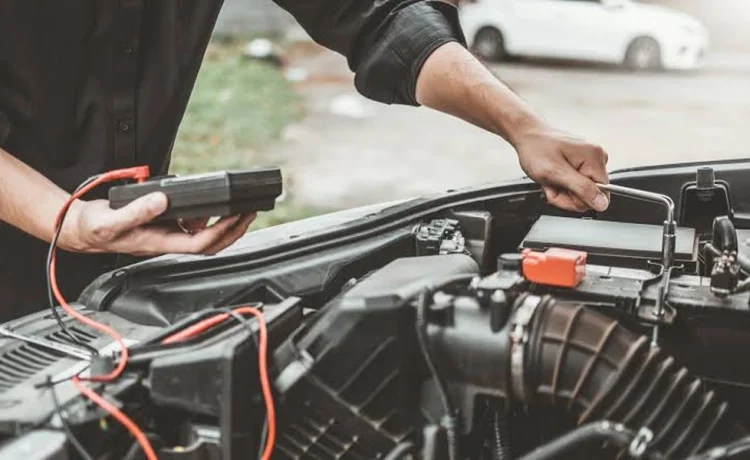
Mechanical? Check pressures. High side. Low side. These numbers tell them if refrigerant is circulating. If the compressor actually compresses. If the system is frozen or normal. Each reading cuts out possibilities.
By three checks, they usually know what’s broken.
This is where readiness beats speed. A technician who trained on AC systems knows normal pressures. Knows what problems go together. Knows which fixes hold and which are temporary. Someone who’s never seen the problem has to think through it. Research it. Maybe call someone else.
When It Gets Complicated
Some failures are obvious. Compressor dead. Replace it. Capacitor failed. Replace it. Refrigerant leak. Find and fix. Others are layered. Compressor overheated because the condenser fan wasn’t spinning. Fan wasn’t spinning because the motor burned out. Motor burned out because the capacitor already failed.
Complicated failures are different. Not just fixing what broke. Tracing back. Understanding why it failed. What caused the compressor to overheat? Why did the capacitor fail? Miss the root cause and you’re calling again in three months for emergency AC repair in Oklahoma City when the real problem never got fixed.
What Comes After
Emergency repair isn’t done when it restarts. The technician checks. Thermostat again. Pressures again. Watches it run. Make sure it’s not cycling wrong or making new noises. They’re not leaving until confident the system stays running.
Then the conversation. What failed and why. How long should this repair last? What warning signs to watch for? Is the system aging toward more failures? Should you plan for replacement in a few years or is this isolated? When should maintenance happen next?
Most people skip this part. Get the AC running and assume it’s solved. Understanding what broke and why prevents panic next time. Prevents unnecessary emergency calls. Prevents surprise failures during peak heat.
Why Readiness Matters More Than Speed
You want the technician in thirty minutes instead of three hours. That matters. But you want knowledge more than quick response. Someone who looks at the readings and immediately knows what they mean. Someone with the parts you need. Someone who thinks through the problem instead of just applying band-aids.
That technician might take longer to diagnose. But they get it right the first time. System runs reliably. You don’t call emergency repair next month. Money saved on repeat service pays for the extra minutes they spent understanding your system. Emergency repair isn’t supposed to be fast. It’s supposed to work.