

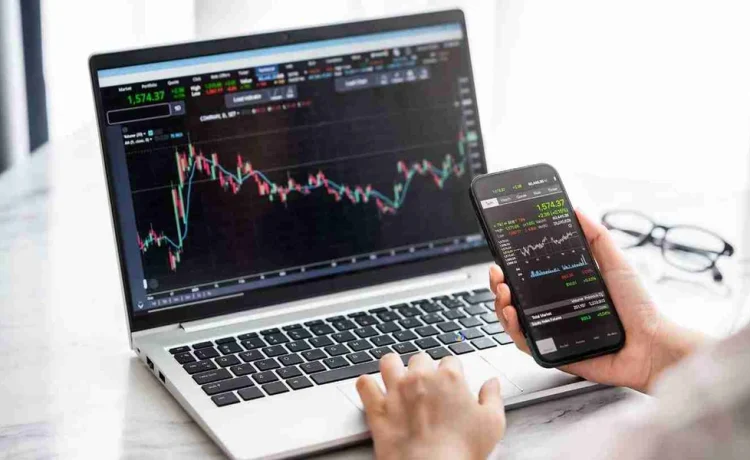
An Intraday Trading App can help active market participants monitor price movements, track watchlists, place orders and manage positions within the same trading day. Since intraday positions are usually opened and closed quickly, traders need an organised process rather than relying only on fast execution.
The quality of an intraday decision often depends on what happens before, during and after the trade. A structured routine can help traders prepare for market conditions, identify suitable setups, control position size and review outcomes without allowing short-term price movement to dominate every decision.
Start the Day With Market Preparation
Intraday trading should ideally begin before the first order is placed. Traders can review broader market direction, important overnight developments, major company announcements and sectors showing unusual activity.
This preparation is not about predicting exactly where the market will move. Its purpose is to understand the environment and identify securities that may deserve closer attention once trading begins.
A short preparation routine can also prevent traders from randomly searching for opportunities after the market becomes active.
Build a Focused Watchlist
Tracking too many securities at the same time can make intraday decisions difficult. A smaller watchlist allows traders to monitor price behaviour more carefully and respond only when predefined conditions appear.
The watchlist may include liquid stocks, securities showing unusual volume or companies affected by relevant market developments. The selection criteria should remain consistent instead of changing every few minutes.
A focused list can reduce distraction and make the trading session easier to manage.
Define the Setup Before Taking the Position
Every intraday position should have a clear reason for entry. Traders may use price levels, momentum, technical patterns, volume behaviour or another predefined method.
The setup should answer basic questions such as where the entry may occur, what would invalidate the idea and how much capital will be exposed.
If those questions cannot be answered before the order is placed, the trade may be based more on impulse than on a repeatable process.
Check Liquidity Before Entering
Liquidity can influence how easily a trader enters and exits a position. Securities with low trading activity may have wider bid-ask spreads or make execution more difficult.
This can become important during intraday trading because positions may need to be adjusted quickly. A large difference between the expected and actual execution price can change the risk-reward profile.
Traders should therefore understand the normal trading activity of the security before using it for short-term positions.
Set the Maximum Loss in Advance
Intraday trading involves rapid price changes, so risk limits should be established before entry. The trader should decide how much capital can be lost on one position without affecting the rest of the trading plan.
This maximum loss can then help determine position size and exit levels. The amount should remain consistent with the trader’s overall account size and risk tolerance.
A predefined loss limit removes some of the pressure of deciding what to do after the market has already moved against the position.
Use Position Size to Manage Exposure
Position size determines how strongly one trade can affect the account. Even a small price movement can create a large financial impact if the position is oversized.
Intraday traders should calculate exposure based on acceptable risk rather than on available buying power alone. Access to higher leverage does not mean the entire amount should be used.
Keeping position sizes controlled can also make it easier to follow the original plan during volatile periods.
Manage Execution Through a Defined Trading Process
Using an app to Trade can make order placement faster, but speed should remain secondary to accuracy. Before confirming an intraday order, traders should review the security, quantity, price and order type.
Fast-moving markets can increase the chance of mistakes when decisions are rushed. A clear confirmation process can reduce errors such as entering an incorrect quantity or trading the wrong instrument.
Technology should make execution more efficient without encouraging unnecessary transactions.
Monitor the Position Without Constantly Changing the Plan
Once the trade is active, traders should monitor whether the original setup remains valid. This does not mean changing the stop, target or position size after every small price movement.
Constant adjustments can turn a structured trade into an emotional one. Unless new information materially changes the setup, the original risk plan should remain the main reference.
Intraday traders may benefit from defining in advance which market developments justify an adjustment.
Avoid Chasing Breakouts Too Late
A fast breakout can create urgency, especially when prices move quickly after crossing a visible level. Entering after a large move may leave the trader with a poor entry and limited room before the next resistance area.
If the planned entry has already passed, waiting may be preferable to chasing the price. Missing one opportunity is generally less damaging than repeatedly entering trades with unfavourable risk.
Intraday markets provide many potential setups over time, so every move does not need to be captured.
Treat Stop-Loss Levels as Risk Controls
A stop-loss can help define when a trade is no longer working as expected. It should be based on the trading setup and acceptable loss rather than placed randomly.
Moving a stop further away simply to avoid taking a loss can increase the financial impact of the trade. Traders should understand why the level was selected before entering.
A stop cannot guarantee the exact exit price in all market conditions, but it remains an important part of risk planning.
Watch Volume Alongside Price Movement
Price movement can become more informative when viewed together with trading volume. A move supported by stronger activity may behave differently from one occurring with limited participation.
Volume alone should not determine a trade, but it can provide additional context about market interest. Traders may use it alongside their broader technical or price-action framework.
The key is to avoid relying on one indicator in isolation.
Avoid Overtrading During Quiet Sessions
Some market sessions provide fewer clear opportunities. Traders may still feel pressure to place positions because they have opened the app specifically to trade.
This can lead to lower-quality entries and unnecessary transaction costs. A day with no suitable setup can still be a successful day from a risk-management perspective.
Knowing when not to participate is an important part of intraday discipline.
Take Extra Care During High-Volatility Periods
Markets may become more volatile around company results, economic announcements or major global developments. Normal price ranges can widen quickly during these periods.
Traders may consider reducing position size or avoiding trades that become difficult to manage. A setup that works well in normal conditions may behave very differently when volatility rises sharply.
Adjusting risk to the environment can help prevent one unusually volatile session from creating an outsized loss.
Keep Intraday Capital Separate
Money used for intraday trading should ideally remain separate from emergency savings, household expenses and long-term financial goals. This separation helps reduce emotional pressure when positions move against expectations.
It also makes performance easier to evaluate because traders can see whether their intraday activity is producing consistent results without mixing it with unrelated investments.
Clear capital allocation can support more disciplined decision-making.
Record the Reason for Every Trade
A simple trading journal can reveal whether decisions are becoming more consistent. Traders can record the setup, entry, exit, position size, risk and final outcome.
They should also note whether the original plan was followed. Over time, this can reveal patterns such as entering too late, increasing position size after losses or performing better under certain market conditions.
The journal becomes most useful when it records the quality of the process, not just profit and loss.
Review the Session After Market Close
An end-of-day review can help traders learn without the pressure of live price movement. The review should examine whether trades followed the planned setup and whether risk stayed within predefined limits.
A losing trade may still have been well executed if the process was followed correctly. Similarly, a profitable trade may reveal poor discipline if it relied on excessive risk or an unplanned entry.
Separating process quality from the financial outcome can improve long-term decision-making.
Build Consistency Before Increasing Capital
A few profitable sessions should not automatically lead to larger positions. Short-term results can be influenced by market conditions and luck.
Traders should first look for consistency across a larger number of trades. Risk control, journal quality and adherence to the strategy are often better indicators of progress than one strong week.
Capital can be reviewed gradually as experience and discipline improve.
Conclusion
An Intraday Trading App can support daily market activity by providing faster access to watchlists, price information, order placement and position monitoring. Its value is highest when traders combine those features with predefined setups, controlled position sizing and clear risk limits.
Short-term trading should also remain separate from long-term financial planning. Users who build wealth through a Sip Mutual Fund App should treat those investments differently from intraday positions because the objectives, time horizons and risk profiles are not the same.
FAQs
1. What Is an Intraday Trading App Used For?
An Intraday Trading App helps users monitor markets, place orders and manage positions intended to be handled within the same trading day.
2. Should Intraday Traders Use the Full Available Capital?
No, traders should size positions according to their risk limits rather than using all available capital or leverage.
3. Why Is a Watchlist Important for Intraday Trading?
A focused watchlist helps traders monitor selected securities instead of reacting to every market movement.
4. Is Stop-Loss Planning Important for Intraday Trading?
Yes, a predefined stop-loss can help traders control risk when a position moves against the original setup.
5. Can an Intraday Trading App Guarantee Profits?
No, the app provides market access and trading tools, but intraday outcomes remain subject to market risk.