
Compressed air is often called the “fourth utility” in industrial facilities because it powers everything from pneumatic tools and packaging lines to painting systems and automated machinery. However, the air produced by a compressor is rarely clean enough for direct use. Moisture, oil aerosols, dust, rust particles, and other contaminants can enter the air stream and damage equipment, reduce product quality, and increase maintenance costs. This is where a compressed air filter becomes essential.
This guide explains what a compressed air filter does, why it matters, and how businesses can choose the right filtration solution for reliable operations.
Describe for What is a Compressed Air Filter?
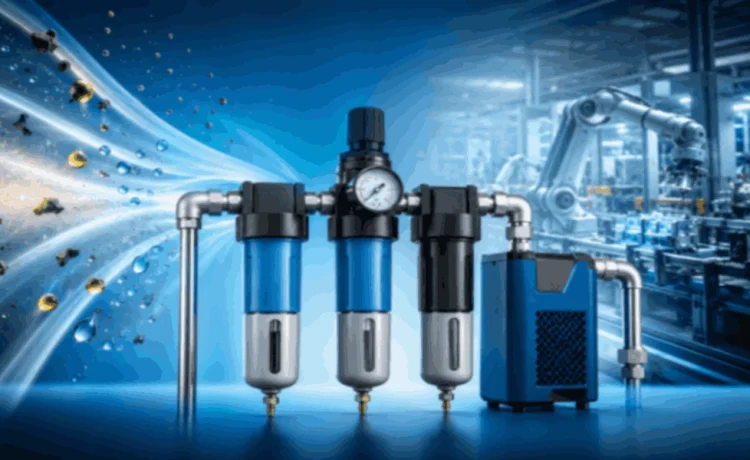
A compressed air filter is a device installed in a compressed air system to remove contaminants before the air reaches downstream equipment. Depending on the filter type, it can capture solid particles, oil droplets, water aerosols, and even odors or vapors.
Clean compressed air is especially important in industries such as food processing, pharmaceuticals, electronics, automotive manufacturing, and painting applications, where contamination can directly affect product quality.
And Why Compressed Air Filter is Necessary for Every Industry
Many people assume that air entering a compressor is already clean. In reality, atmospheric air contains:
- Dust and dirt particles
- Water vapor
- Oil aerosols
- Microorganisms
- Industrial pollutants
During compression, these contaminants become concentrated. Without proper filtration, they can travel through the air distribution system and cause:
- Corrosion in pipes and valves
- Premature wear of pneumatic tools
- Clogged instruments and regulators
- Defects in painted or coated surfaces
- Product contamination
- Increased downtime and maintenance costs
Installing the correct industrial filtration stages helps prevent these problems and extends the life of the entire compressed air system.
Types of Compressed Air Filters
1. Particulate Filters
These filters remove solid contaminants such as dust, rust, and pipe scale. They are commonly used as a first stage of filtration and protect downstream components from abrasive particles.
2. Coalescing Filters
Coalescing filters are designed to capture fine oil and water aerosols. Tiny droplets combine into larger droplets, which are then drained from the filter housing. These filters are widely used in industrial compressed air systems where oil carryover must be minimized.
3. Activated Carbon Filters
When odor and oil vapor removal is required, activated carbon filters provide an additional purification stage. They are often used in food, beverage, pharmaceutical, and sensitive manufacturing applications.
4. High-Efficiency or Sterile Filters
For critical processes, high-efficiency filters can remove extremely fine particles and microorganisms, helping facilities meet strict cleanliness standards.
Key Benefits of Using a Compressed Air FilterProtects Equipment
Clean air reduces wear on valves, cylinders, air motors, and pneumatic tools, helping equipment last longer and operate more reliably.
Improves System Efficiency
Contaminants can restrict airflow and increase pressure losses. Proper filtration helps maintain stable airflow and efficient operation.
Enhances Product Quality
In painting, coating, packaging, and manufacturing processes, cleaner air means fewer defects, rejects, and customer complaints.
Reduces Maintenance Costs
Preventing contamination is usually far less expensive than repairing damaged equipment or replacing failed components.
Supports Regulatory Compliance
Many industries require controlled air quality. Appropriate filtration helps facilities meet hygiene and process standards.
How to Choose the Right Filter
Selection depends on several factors:
Air Quality Requirements
Determine the cleanliness level needed for the application. A workshop using air tools has different requirements than a pharmaceutical production line.
Flow Rate
The filter must handle the system’s maximum airflow without creating excessive pressure drop.
Operating Pressure
Choose a filter rated for the compressor’s pressure range and system conditions.
Contaminant Type
Identify whether the primary concern is particles, water, oil aerosols, oil vapor, or microorganisms.
Maintenance Accessibility
Filters require periodic element replacement and condensate draining. Select a design that is easy to maintain.
Understand about Typical Filtration Setup
| Filtration Stage | Filter Type | Primary Function |
|---|---|---|
| Stage 1 | Particulate Filter | Removes larger solid particles such as dust, rust, and debris. |
| Stage 2 | Coalescing Filter | Removes oil aerosols, water droplets, and fine liquid contaminants. |
| Stage 3 | Activated Carbon Filter | Eliminates oil vapors, odors, and hydrocarbon contaminants when required. |
| Stage 4 | Final / Sterile Filter | Provides final polishing by removing ultra-fine particles and microorganisms for critical applications. |
This staged approach often delivers better performance and longer filter life than relying on a single filter.
Maintenance Best Practices
Even the best compressed air filter will lose effectiveness if it is not maintained properly.
Recommended practices include:
- Inspect pressure differential regularly.
- Replace filter elements according to manufacturer recommendations.
- Drain collected condensate frequently or use automatic drains.
- Check seals and housings for leaks.
- Monitor downstream air quality if the process is critical.
Ignoring maintenance can lead to increased pressure drop, higher energy consumption, and reduced filtration efficiency.
Common Signs a Compressed Air Filter Needs Replacement
Watch for these warning signs:
Replacing a saturated filter element at the right time is usually much cheaper than dealing with equipment failure.
Conclusion
A compressed air filter is far more than an accessory-it is a critical component that protects equipment, improves efficiency, and helps maintain consistent product quality. By removing particles, moisture, oil aerosols, and vapors from the air stream, the right filtration system can significantly reduce downtime and operating costs.
Whether you operate a small workshop or a large manufacturing facility, investing in proper compressed air filtration is one of the most practical ways to improve reliability and extend the life of your compressed air system. Clean air means better performance, lower maintenance, and greater confidence in every process that depends on compressed air.