

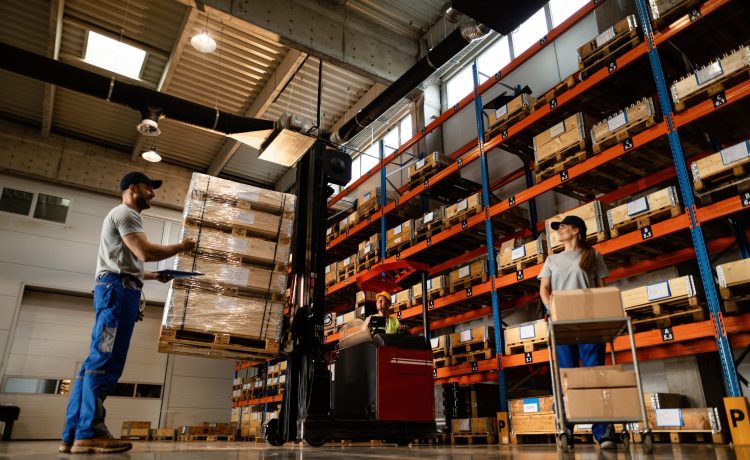
Warehousing and storage operations in Singapore face unique challenges. Limited land availability, rising operational costs, and increasing demand for faster fulfilment have pushed businesses to rethink how warehouse space is planned and utilised. At the centre of this transformation is the storage racking system in Singapore, which plays a critical role in organising inventory, improving safety, and enabling long-term scalability.
Rather than viewing racking as a fixed installation, many businesses now approach it as an evolving infrastructure that must adapt to changing inventory volumes, product types, and operational workflows. This article explores how modern storage racking systems are designed, selected, and implemented in Singapore’s industrial landscape, with a focus on practical considerations rather than promotional claims.
The Role of Storage Racking in Warehouse Operations
A warehouse is more than a holding area for goods. It is a dynamic environment where efficiency, accuracy, and safety intersect. Storage racking systems provide the structural framework that supports these objectives.
A well-designed racking system allows businesses to:
- Store goods systematically
- Improve accessibility and retrieval speed
- Reduce handling errors
- Maintain safer working conditions
- Adapt layouts as storage needs change
- High land and rental costs
- Mixed-use industrial facilities
- High inventory turnover in sectors such as e-commerce and manufacturing
- Compliance with workplace safety requirements
Industrial Pallet Rack Systems
Industrial pallet rack systems in Singapore are widely used in warehouses handling palletised goods. These systems are designed to support forklifts and pallet jacks, allowing efficient vertical storage. Common configurations include:- Selective pallet racking for direct access
- Double-deep racking for increased density
- Drive-in or drive-through racking for bulk storage
- Spare parts storage
- Tools and equipment
- Carton-based inventory
- Mobile racking systems
- Push-back racking
- Gravity flow racks
Load Requirements and Structural Integrity
Every racking system must be designed to support specific load capacities. Overloading or incorrect weight distribution can compromise safety. Design considerations include:- Maximum pallet weight
- Shelf load ratings
- Floor load limits
- Proper anchoring and bracing
- Load signage and labelling
- Regular inspection and maintenance
- Clear aisle markings
- Expansion without full replacement
- Reconfiguration as storage needs change
- Integration with automation or picking systems
- Logistics and third-party warehousing
- Manufacturing and assembly facilities
- Retail distribution centres
- Cold storage and food handling
- E-commerce fulfilment hubs
- Scheduled inspections
- Prompt repair of damaged components
- Training staff on correct loading practices
- Reviewing layouts as inventory changes
- Durability and lifespan
- Adaptability to future needs
- Maintenance requirements
- Impact on operational efficiency