

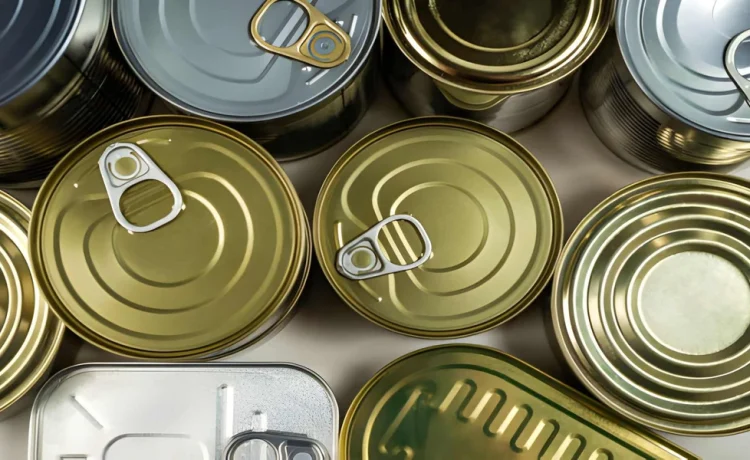
Walk down any store aisle, and you will see packaging everywhere – boxes, bottles, cans. But when it comes to metal packaging, two names dominate: tin and aluminium. Both materials have carved out their place in industries ranging from food to cosmetics. The real question is, which one works best for your brand’s needs?
Tin vs Aluminium: The Basics
When people talk about tin vs aluminum, they are really comparing two very different approaches to packaging. Tin has a long history, often associated with sturdiness and a classic look. Aluminium, on the other hand, is the modern favourite, lightweight, recyclable, and sleek. At uCan-Packaging, the team emphasizes how choosing between these two is not just about looks; it is about the features that align with your brand’s value and products.
Strengths of Tin Packaging
Tin has a certain charm. It feels solid in your hand, and that weight communicates durability and tradition. For products that want to highlight heritage or premium quality, tin can be a perfect fit.
- Premium feel: The heavier structure gives consumers a sense of luxury.
- Long shelf life: Tin resists corrosion and keeps products safe for extended periods.
- Classic appeal: Its vintage vibe works well for specialty goods like teas, chocolates, or cosmetics.
Advantages of Aluminium Packaging
Aluminium has become the go-to for modern brands that want sustainability and style. It is lighter, easier to transport, and endlessly recyclable. Plus, it offers a sleek, contemporary look that resonates with eco-conscious consumers.
- Lightweight convenience: Easier to carry, ship, and store.
- Eco-friendly edge: Aluminium can be recycled indefinitely without losing quality.
- Versatile design: Matte, glossy, or printed finishes make it adaptable to any brand identity.
- Cost efficiency: Lower transport costs thanks to reduced weight.
Protection vs Presentation
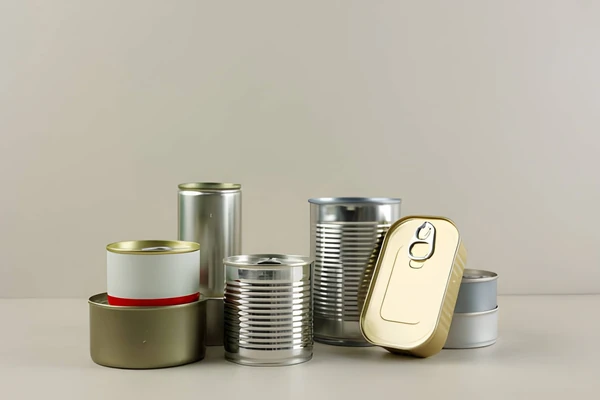
At the core, packaging has two jobs: protect the product and present it attractively. Tin leans heavily toward protection, offering a sturdy shell that feels reliable. Aluminium, while protective, shines in presentation; its sleek surfaces and customizable finishes make it a marketer’s dream.
Think of it this way tin is like a classic hardcover book, solid and timeless. Aluminium is more like a tablet, modern, lightweight, and versatile. Both serve their purpose, but the choice depends on the story your brand wants to tell.
Choosing What Is Right for Your Brand
So, how do you decide? It comes down to your product, audience, and values.
- Luxury positioning: Tin works well if you are aiming for premium appeal.
- Sustainability goals: Aluminium is ideal if eco-friendliness is central to your brand.
- Practicality: For everyday items, aluminium’s lightweight nature often wins.
- Heritage branding: Tin connects with tradition and nostalgia.
Final Thoughts
Packaging is not just about keeping products safe; it is about telling a story. Tin speaks of tradition, strength, and premium quality. Aluminium whispers modernity, sustainability, and sleek design. Both have their place, and both can elevate a brand when used thoughtfully.
In the end, whether you lean toward tin or aluminium, the choice should reflect your brand’s personality. After all, packaging is often the first handshake between your product and the consumer, and you want that handshake to feel just right.