

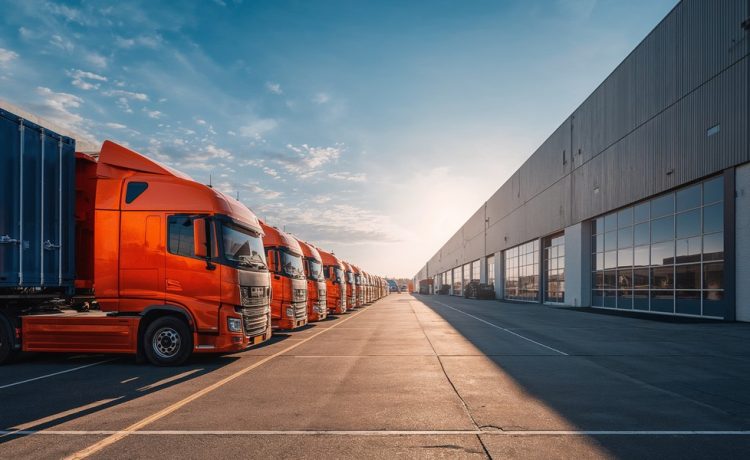

Efficient logistics depends on more than moving freight from one place to another. It also relies on how well storage, inventory handling, and delivery operations connect behind the scenes. When warehousing and transportation work together as part of one coordinated strategy, businesses can improve speed, reduce waste, and create a better experience for customers.
Too often, these functions are treated as separate parts of the supply chain. In reality, they affect each other every day. Inventory placement impacts delivery timelines. Pickup schedules affect warehouse flow. Delays in one area can quickly create problems in the other. Here are eight ways warehousing and transportation work better together when businesses take a more connected approach.
1. Faster Order Fulfillment Starts With Better Inventory Positioning
One of the clearest benefits of aligning warehousing and transportation is faster fulfillment. When products are stored closer to major customer regions or along key freight lanes, they can be picked, loaded, and delivered more quickly.
This reduces the distance freight needs to travel and helps businesses respond faster to demand. Strategic inventory placement also allows operations teams to plan transportation more efficiently, especially during peak seasons or high-volume periods. Instead of reacting to every order individually, businesses can create a smarter fulfillment structure from the start.
2. Better Scheduling Reduces Bottlenecks
Warehouse operations and transportation schedules need to work in sync. If trucks arrive too early, warehouse teams may not be ready. If trucks arrive too late, loading windows can be missed and deliveries may fall behind. That kind of disconnect creates bottlenecks, extra labor pressure, and wasted time.
When these teams coordinate more closely, loading and unloading becomes more predictable. Pickup appointments can be managed more effectively, dock usage can improve, and freight can move through the system with fewer delays. Better scheduling creates a smoother workflow for everyone involved.
3. Improved Inventory Accuracy Supports Smarter Shipping Decisions
Transportation planning depends on accurate inventory data. If warehouse records are off, shipments may be delayed, split, or rescheduled at the last minute. That can increase costs and frustrate customers.
When warehousing and transportation systems work together, businesses gain better visibility into what is available, where it is located, and when it can ship. This leads to more reliable planning and stronger decision-making across the supply chain. Accurate inventory also helps reduce expedited shipping needs caused by preventable mistakes.
4. Lower Costs Come From Fewer Hand-Offs and Less Waste
Every extra hand-off in logistics creates another chance for error, damage, or delay. When warehousing and transportation are coordinated well, freight can move with fewer interruptions and less unnecessary handling.
That often leads to lower costs in several areas, including labor, storage time, detention, and rework. Businesses may also reduce partial loads, missed appointments, and duplicate efforts between teams. Working with a provider or strategy that connects both sides of the process can improve efficiency without sacrificing service quality.
5. Stronger Visibility Helps Teams Solve Problems Faster
Supply chain challenges are easier to manage when teams have shared visibility. If warehouse staff know when a shipment is delayed, they can adjust loading priorities. If transportation teams know a product is not ready, they can reschedule more effectively and avoid wasted trips.
When both sides operate with the same information, communication improves and issues can be addressed earlier. This kind of visibility is especially valuable during busy seasons, promotional periods, or unexpected disruptions. Businesses that connect warehousing and transportation are often better equipped to respond quickly when plans change.
6. Scalable Operations Support Business Growth
As a business grows, logistics becomes more complex. More customers, more products, and more delivery locations all place greater demands on storage and freight movement. Warehousing and transportation that operate in separate silos often struggle to keep up.
A more integrated approach helps businesses scale with less friction. Inventory can be positioned based on shipping patterns, delivery routes can be adjusted around warehouse capabilities, and capacity can be managed more strategically. Working with a trucking fleet company that understands how transportation connects with warehousing can also help businesses create a more flexible long-term logistics plan.
7. Better Customer Service Depends on Better Coordination
Customers may not think about warehouses, dock schedules, or freight routing, but they notice the results. Late shipments, inaccurate orders, and inconsistent delivery timelines all affect trust. Many of those problems happen when storage and transportation are not aligned.
When these functions work together, customer service improves in practical ways. Orders are more likely to ship on time, updates become more accurate, and delivery commitments are easier to keep. Businesses that invest in logistics coordination often create a smoother customer experience without needing to overpromise or rely on costly last-minute fixes.
8. More Resilient Supply Chains Are Built on Connected Operations
Disruptions are unavoidable in logistics. Weather events, labor shortages, traffic issues, equipment problems, and demand spikes can all impact performance. A disconnected supply chain tends to react more slowly because teams are working with limited context or competing priorities.
By contrast, warehousing and transportation that function as part of one connected operation are often more resilient. Teams can reroute loads, shift inventory priorities, adjust dock schedules, and respond to changes with better coordination. This adaptability helps businesses protect service levels and reduce the impact of unexpected setbacks.
Warehousing and transportation are most effective when they are planned together rather than managed as separate functions. From faster fulfillment and lower costs to better visibility and stronger customer service, the benefits of alignment can be felt across the entire supply chain.
For businesses looking to improve logistics performance, the goal should not just be finding storage space or moving freight efficiently on its own. The real advantage comes from building a system where warehousing and transportation support each other at every stage. When those pieces are connected, operations become more efficient, more scalable, and better prepared for growth.