
Key Highlights
- Automated tracking eliminates the margin for human error in manual logging.
- Transitioning to 10 ppm fuel standards significantly reduces harmful engine emissions.
- Real-time reporting capabilities provide immediate insights into fuel leakage or theft.
- Optimised engine performance leads to longer vehicle lifespans and reduced repairs.
Introduction
In the modern industrial landscape, operational efficiency is not merely an advantage; it is a necessity for survival. Businesses that rely heavily on logistics and heavy machinery face a constant challenge in controlling one of their largest overheads: fuel costs. While fluctuations in global oil prices are often outside the control of individual organisations, the way fuel is managed within a company is entirely within its purview. Many enterprises still rely on outdated, manual tracking methods that invite error, theft, and inefficiency. By integrating an advanced fuel management system, businesses can gain granular control over their assets, effectively eliminating the silent drain of operational wastage.
The Cost of Inefficiency
When fuel usage is tracked manually, the potential for leakage in both the literal and figurative sense is immense. Drivers or operators may record numbers that do not reflect reality, or worse, fuel may be siphoned without the knowledge of management. Without a centralised oversight mechanism, it is nearly impossible to hold teams accountable for consumption levels. This lack of visibility means that engines might be left idling unnecessarily, vehicles might take inefficient routes, or maintenance issues that cause poor fuel economy might go unnoticed for months. These small, accumulated inefficiencies aggregate into significant financial losses over time.
Precision and Performance
The transition to higher quality standards is equally vital. Utilising 10 ppm fuel is a strategic choice for businesses aiming to balance environmental responsibility with machinery longevity. Lower sulphur content in 10 ppm fuel reduces the build-up of harmful deposits in engines, which in turn minimises the frequency of expensive repairs and prolongs the lifespan of costly assets. When paired with a robust fuel management system, companies do not just burn cleaner fuel; they ensure that every drop is accounted for and utilised for its intended purpose. The synergy between high-grade fuel and digital monitoring creates an ecosystem where waste is designed out of the process.
Data-Driven Decision Making
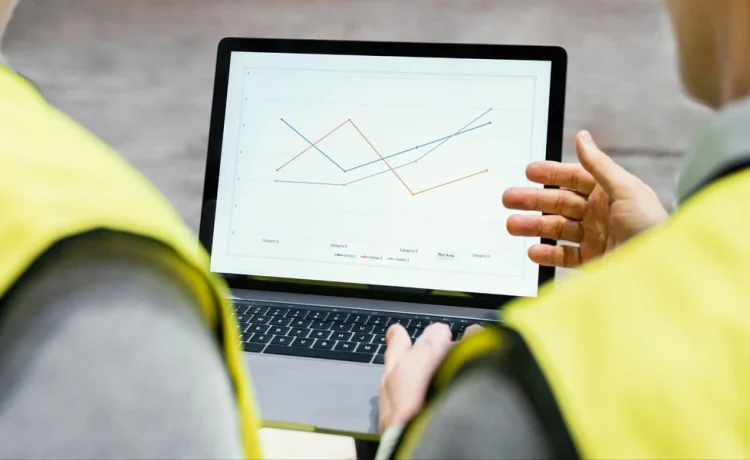
The core strength of a modern fuel management system lies in its ability to generate actionable data. Rather than relying on estimations, managers receive precise reports on consumption patterns. They can identify which vehicles consume more than their peers, which routes are the most fuel-intensive, and exactly when and where refuelling occurs. This level of transparency allows management to implement data-driven policies. If a particular department consistently shows higher consumption rates, it may indicate a need for driver training or vehicle maintenance. By replacing guesswork with concrete data, organisations can make informed decisions that directly impact the bottom line.
Streamlining Administrative Work
Beyond the physical management of fuel, there is the administrative burden to consider. Manual logs require reconciliation, cross-referencing, and hours of staff time. An automated system simplifies this by digitising the entire workflow. Digital records are inherently more accurate and easier to audit, ensuring compliance with environmental regulations and internal governance policies. This reduction in administrative overhead allows teams to focus on core operations rather than getting bogged down in paper-based tracking, further increasing overall productivity.
Conclusion
The path to lower operational wastage is paved with precision, visibility, and high standards. By adopting a comprehensive fuel management system and committing to 10 ppm fuel, businesses can effectively tighten their control over their most volatile expense. The result is a more resilient, cost-effective, and environmentally conscious operation. It is time for businesses to move away from legacy tracking methods and embrace the clarity that digital integration provides.
Ready to optimise your fuel consumption and reduce operational wastage? Reach out to the team at Vegatron today to discover how our tailored solutions can support your business goals.